
GlassBuild America 2026: Glass Technology, Factory Intelligence and the Next Workforce
The Las Vegas exhibition brought glass and fenestration into a wider discussion of manufacturing, architectural performance and skills. Six themes stand out in the organiser's programme and reporting.
A window and glass exhibition with a broader agenda
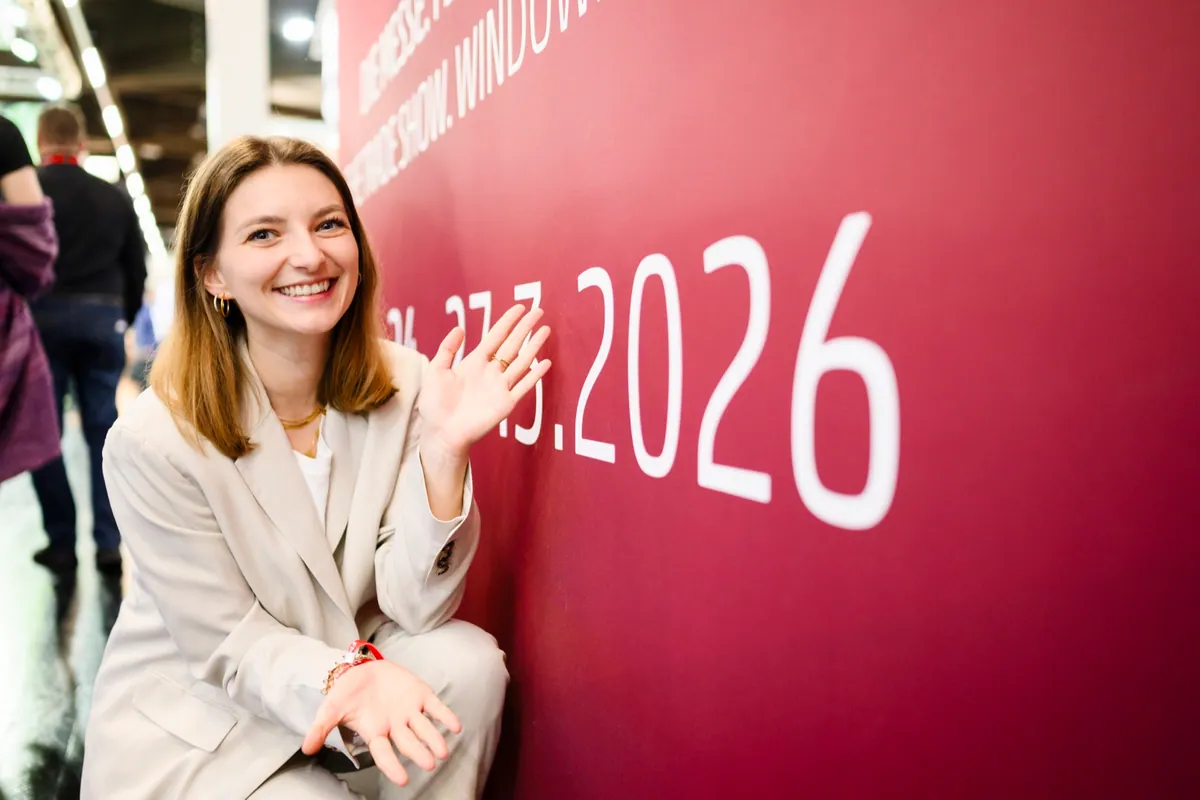
GlassBuild America 2026 took place from 23–25 September at the Las Vegas Convention Center's West Hall. The event connects commercial and residential glass with the window and door sector. Its 2026 programme placed new technology beside architectural education, business decisions and workforce development, creating several distinct routes through the industry.
Reading the organiser's programme and reporting together, the interesting story is the breadth of the discussion. A new glass product, a production system and the people needed to operate it are not separate concerns for a working factory. Their appearance within one event gives the exhibition a useful focus beyond a sequence of product launches: how technical development becomes a practical capability.
The Innovation Lounge connects products with production
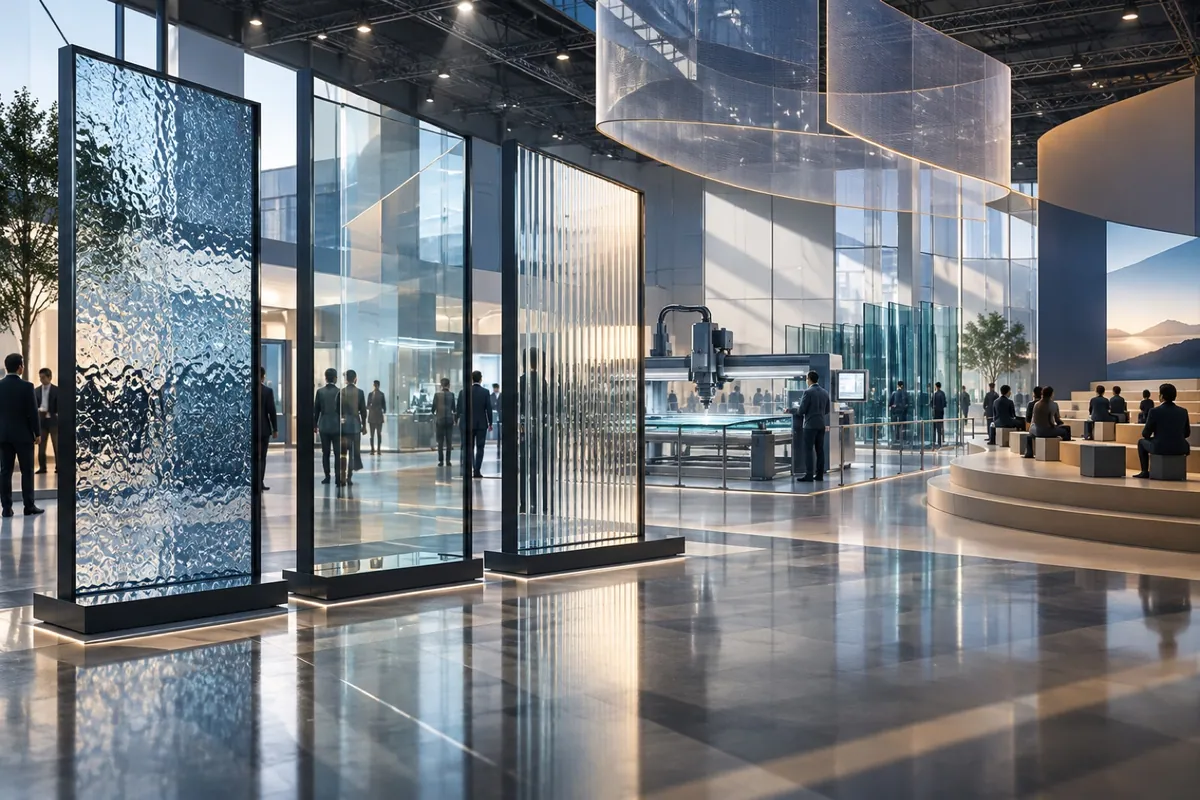
The new Innovation Lounge grouped attention around AI, technology, robotics, sustainability and architectural glass. The organiser described applications spanning digital workflows and factory systems, alongside glass-handling and processing demonstrations. This places the production route beside the finished material rather than leaving machinery as a disconnected part of the show.
Our reading is that the important connection is between information and physical work. A digital proposal matters when it helps the next operation happen correctly; an automated operation matters when it fits the surrounding workflow. Looking at those interfaces is more informative than treating every screen as intelligence or every moving machine as a complete factory solution. The exhibition's grouping makes that comparison easier to frame.
New glazing technologies enter the architectural discussion
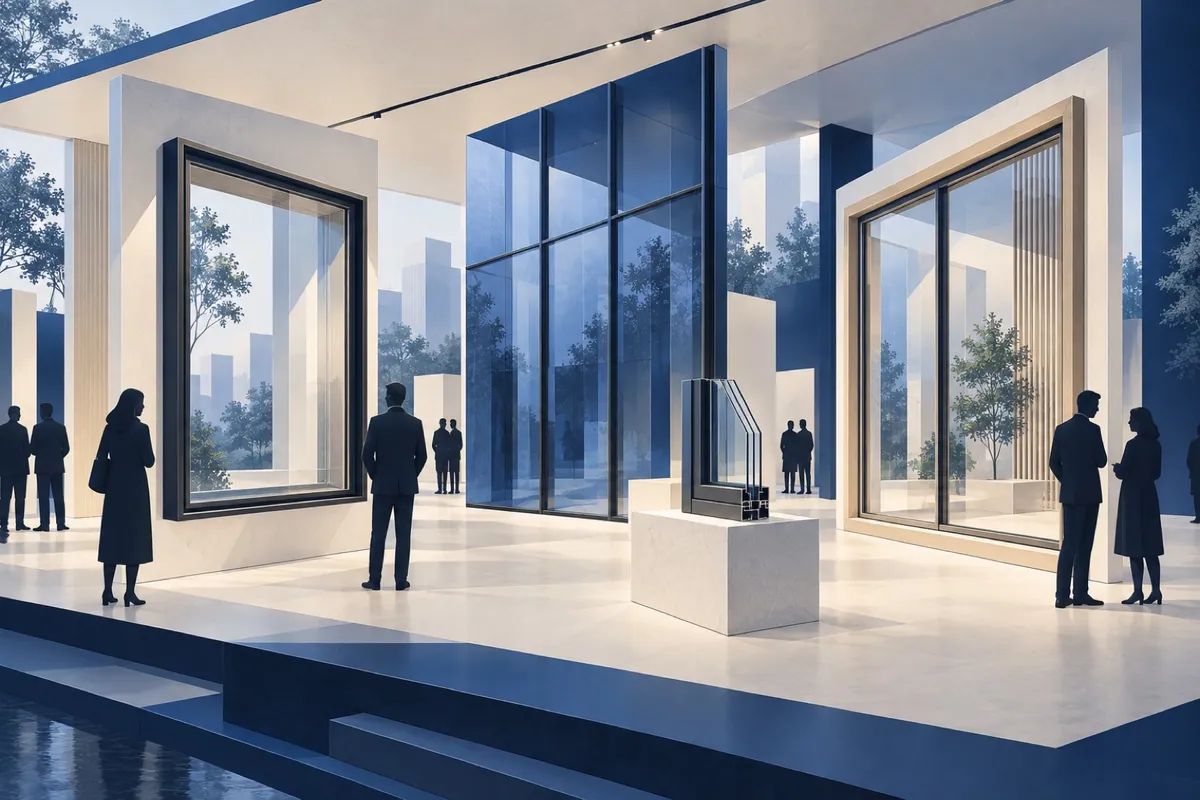
The Glass Design Exchange programme for 23 September included vacuum insulating glass and thin triple glazing, together with project lessons and building-related updates. Bringing emerging glass technologies into an architect-focused programme changes the context: the subject is no longer only what a factory can produce, but what a building needs and how a specification is interpreted.
For the window sector, the useful discussion extends beyond a glass sample on a stand. Thickness, surrounding frame design, opening arrangements and installation are part of how a glazing proposal becomes a completed window. An exhibition that brings designers and manufacturers into the same conversation can expose those interfaces early, before a visually appealing material is treated as a complete building solution.
Training is part of the technology story
The See Yourself in Glass programme scheduled a 25 September visit for Clark County high-school students, combining an exhibition tour, practical activities and a career panel. Its presence adds a different kind of development to the show: the future workforce alongside the next generation of equipment and materials.
That juxtaposition is important. A more digital factory still needs people who understand what a process is supposed to achieve, can recognise a poor result and can communicate a problem across departments. An equipment display explains a capability; a skills activity reveals some of the work needed to use it. Giving both space at an industry exhibition creates a fuller account of progress than a machinery-only narrative.
The keynote programme adds a business lens
The organiser's report on Daymond John's opening keynote focused on goals, preparation and understanding a business's value. The new Keynote Theater programme also included economist Connor Lokar and architect Barbara Bouza. Those perspectives place company decisions and building design alongside the exhibition's technical subjects.
The useful connection is not a general instruction to buy more technology. It is the question of what a proposed change actually improves. A faster isolated operation may be less valuable than a more reliable overall process; a novel product still needs a clear application. Read in that way, the business programme complements the exhibition floor by asking how an innovation earns its place in everyday work.
What connects the different parts of the show
Across the published programme, three threads repeatedly meet: the performance of the finished building product, the capability of the production process and the skills of the people involved. Architectural education, the Innovation Lounge and workforce activities approach those threads from different directions, but they belong to the same industrial story.
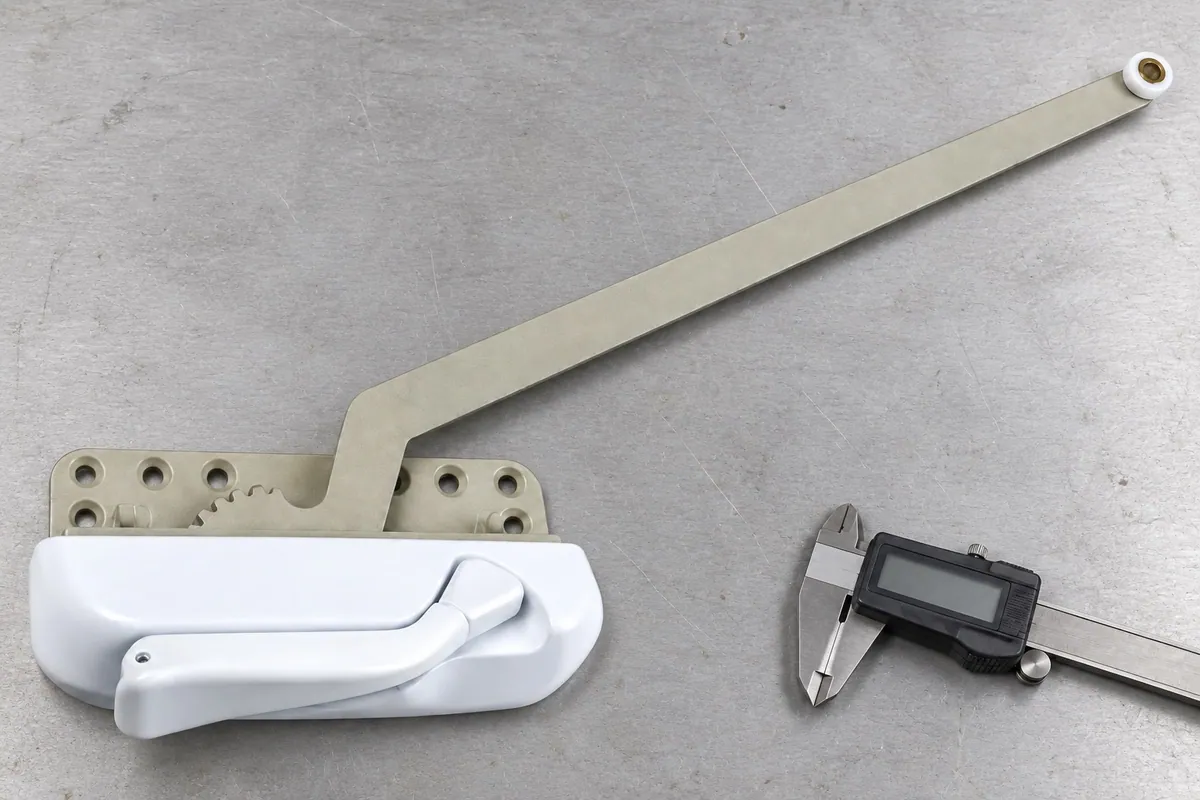
For readers following glass, windows and door hardware, this is what makes GlassBuild worth watching beyond individual launch announcements. The more revealing development is the connection between disciplines: a glass technology that changes a design conversation, a digital workflow that changes a manufacturing step, or a training programme that makes a new capability usable. The 2026 programme put those connections in view.