
FENSTERBAU FRONTALE 2026: Beyond the Individual Hardware Component

Renovation, connected operation and repairability shift the discussion from what a fitting does on its own to how a complete window behaves in a building.
Read the exhibition as evidence, not a market forecast
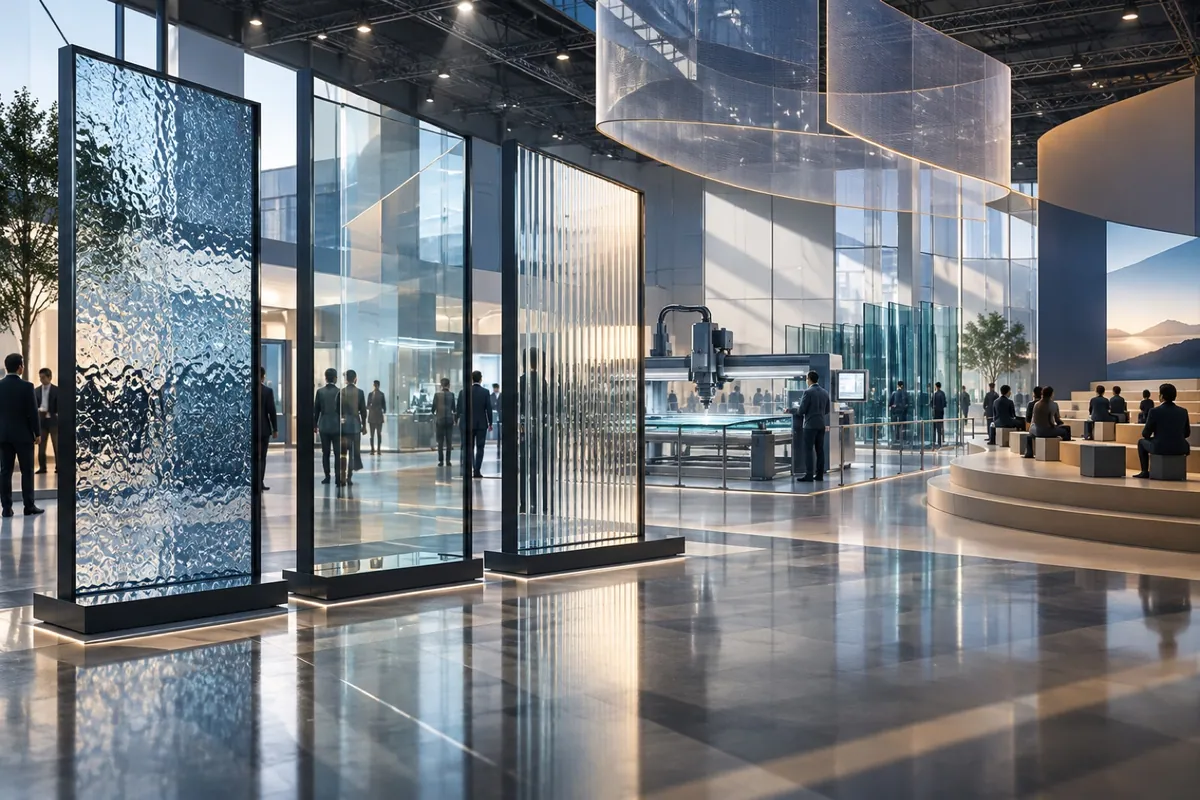
FENSTERBAU FRONTALE took place in Nuremberg on 24–27 March 2026. The organiser reports approximately 75,000 visitors across the combined FENSTERBAU FRONTALE and HOLZ-HANDWERK events. That is a combined attendance figure, not a count of buyers for a particular hardware category.
The analysis below draws on published organiser and exhibitor information, not an on-site report. A trade fair makes ideas visible, but visibility does not establish installation volume, market share or long-term reliability. Distinguishing those things makes it possible to discuss the direction of development without turning an exhibition announcement into an unsupported commercial forecast.
Renovation changes the starting point
The organiser's 2026 programme included energy-related renovation, modular construction, circularity and climate adaptation. These themes place windows within decisions about existing buildings and their continuing use, rather than treating each fitting as an isolated new product.
From an engineering perspective, renovation starts with constraints that a blank-sheet design may not have: an existing opening, retained frame elements, access limitations and occupied rooms. The editorial implication is that innovation should be judged partly by how it works within those constraints. A component that performs impressively on a stand may still require substantial surrounding changes before it can solve a real renovation problem.
A connected handle is one part of a larger interface
SIEGENIA's exhibition information included connected solutions involving Matter and KNX, alongside sensor-based handle concepts. These are specific examples of the connection between mechanical hardware and building control, not proof that the whole industry has adopted one platform.
The interesting question is what information crosses that interface. A control system may issue a command, while the mechanical assembly has to execute a movement and provide meaningful state information. Open, closed and locked are useful only when their meaning is clear. Adding a digital label does not remove the need to understand what is physically being detected.
A successful demonstration is the beginning of the assessment
An exhibition demonstration normally presents a prepared installation in a known configuration. A building continues to operate through changes in users, network settings, maintenance arrangements and wear. The gap between those situations deserves attention even when the demonstration works perfectly.
This is not an argument against automation. It is a reason to examine the less visible parts of a design: access for maintenance, understandable fault states, local operation and the boundaries of system responsibility. A technically impressive movement is more valuable when the people who inherit the building can also understand what happens when normal conditions change.
Circularity becomes concrete at the repair interface
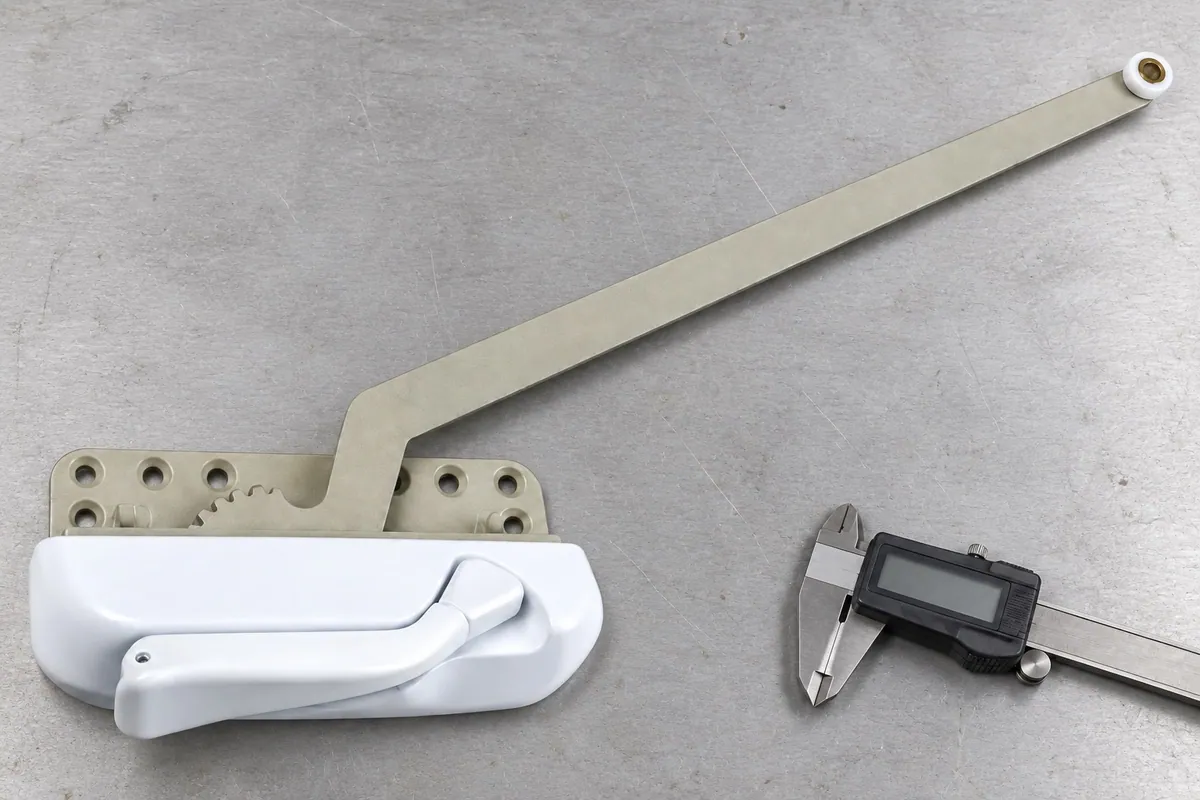
Circularity can remain an abstract label unless it is connected to the way a product is maintained and taken apart. For a window assembly, a useful editorial test is to ask whether a worn component can be identified, reached and replaced without unnecessarily disturbing sound surrounding parts.
That question does not by itself prove a lower environmental impact. It identifies something observable: the relationship between a failed component and the work required to restore the assembly. Documentation, access and the availability of a compatible replacement become part of the discussion. Repairability is not simply a claim about the material from which the original part was made.
The important shift is the scale of the question
Taken together, these themes suggest a wider unit of assessment: the fitting, the window, the building and sometimes the control system. This is an interpretation of the published themes, not a claim that traditional mechanical hardware is becoming obsolete. Reliable pivots, interfaces and closing sequences remain essential regardless of how an opening is commanded.
The useful follow-up to a trade fair is therefore not only to collect product names. It is to follow the unresolved questions from the display into use: what must change around the component, how its state is understood, and how it can be maintained. Those questions reveal more about the practical value of an innovation than a launch headline alone.