
FBC 2026 Beijing Preview: Window Hardware in a Wider Building Conversation
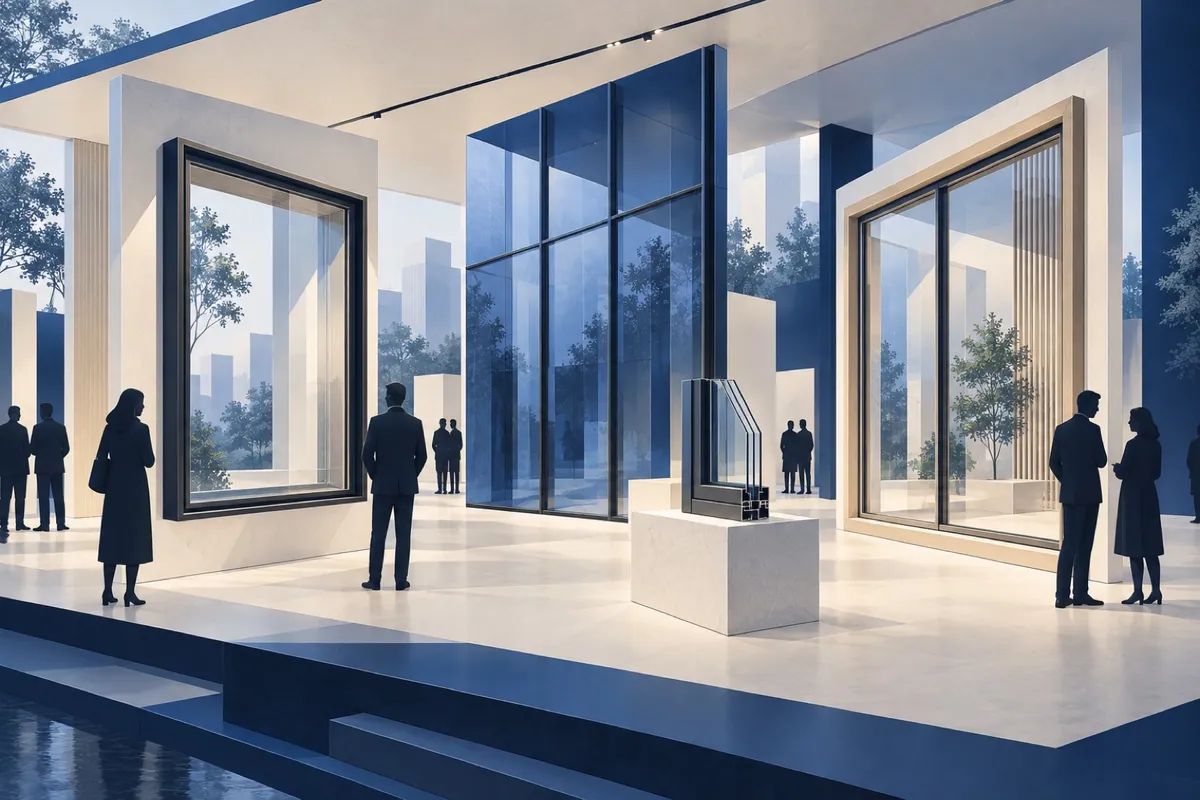
From 28–30 October, FENESTRATION BAU CHINA returns to Beijing. Its exhibition programme puts window systems, components, low-energy buildings and installation in the same conversation.
Beijing becomes the meeting point in late October
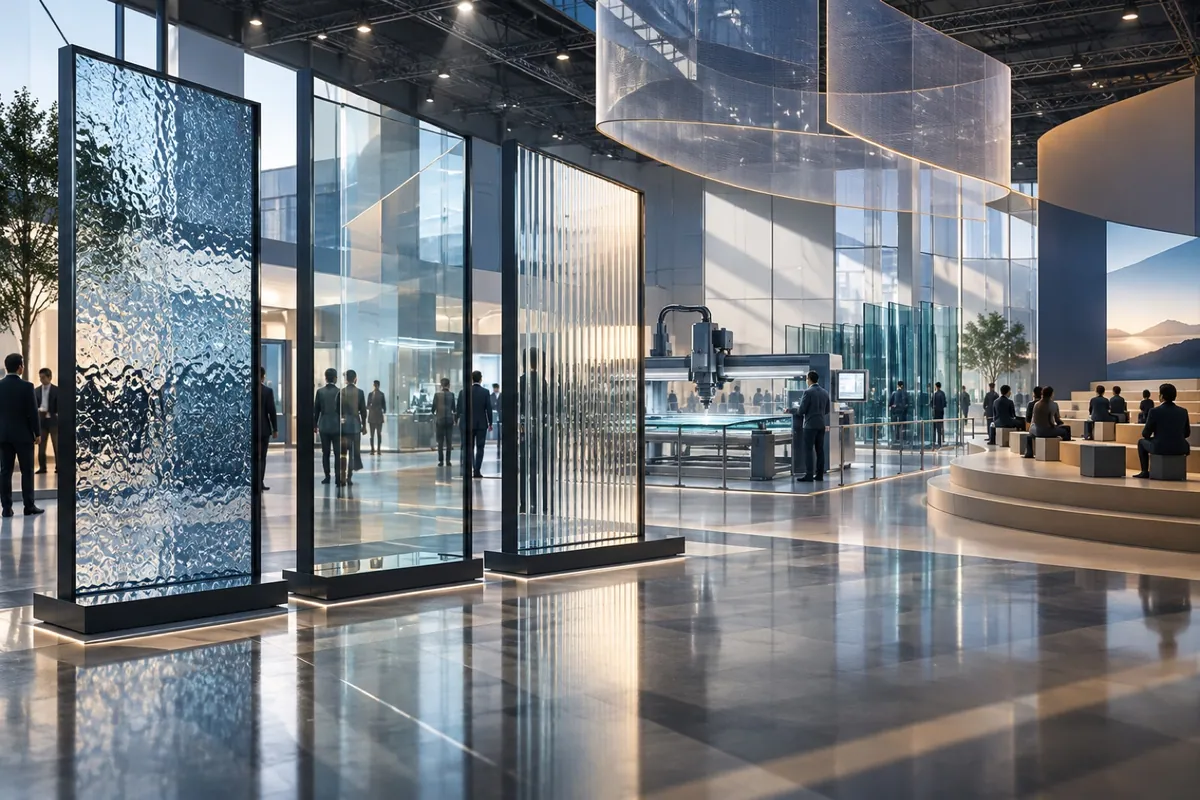
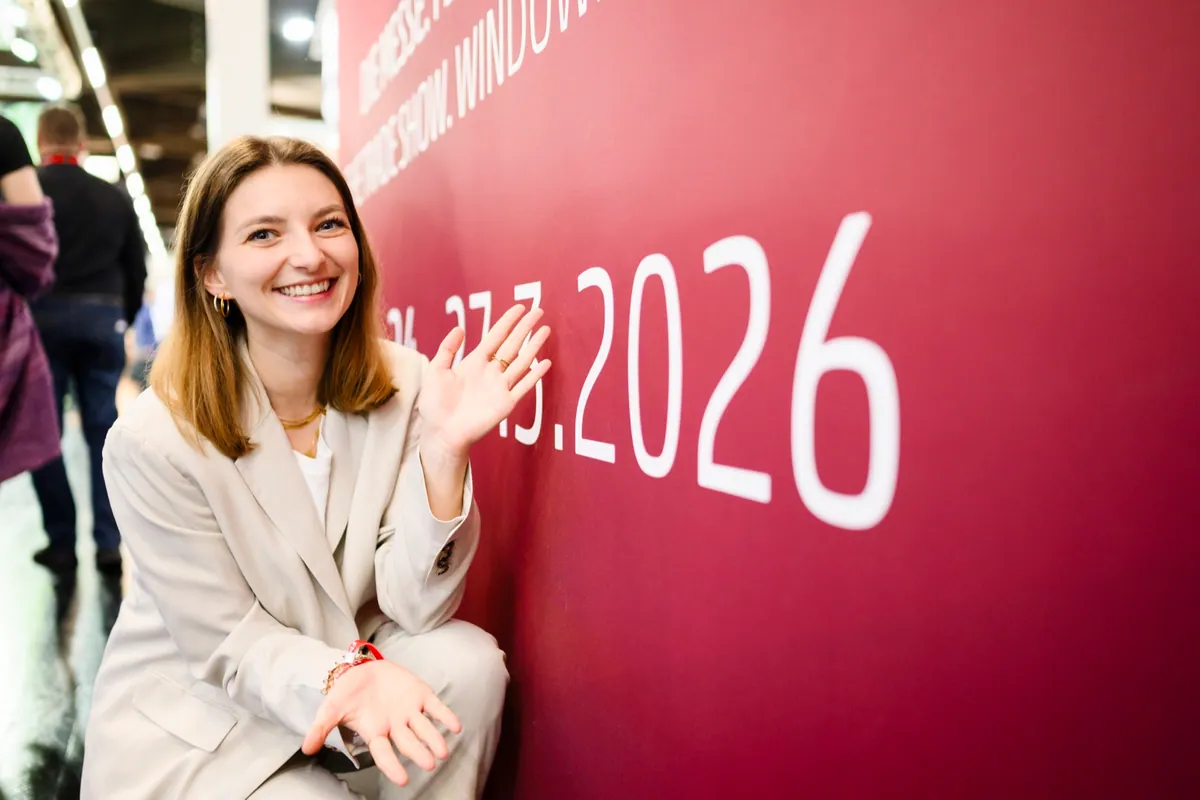
FENESTRATION BAU CHINA 2026 is scheduled for 28–30 October at the China International Exhibition Center in Shunyi, Beijing. It sits within the wider BAU China exhibition setting, alongside building design and waterproofing subjects. For readers following window and door hardware, this makes the event more than a display of finished handles, hinges and locking components.
The interesting feature of that setting is proximity. A conversation about an opening window can move from its visible frame to the components inside it, and then to the surrounding facade or installation detail. Our reading of the programme is that the useful connections will be between disciplines: how a component choice influences an assembled window, and how that window meets the building around it.
Hardware appears alongside the systems it operates
The organiser's published exhibit categories include hardware, electric window-opening equipment, openers and fasteners, alongside complete window systems, profiles and processing equipment. That breadth gives the hardware category a practical context: the moving parts are presented within a supply chain capable of producing and assembling the whole opening.
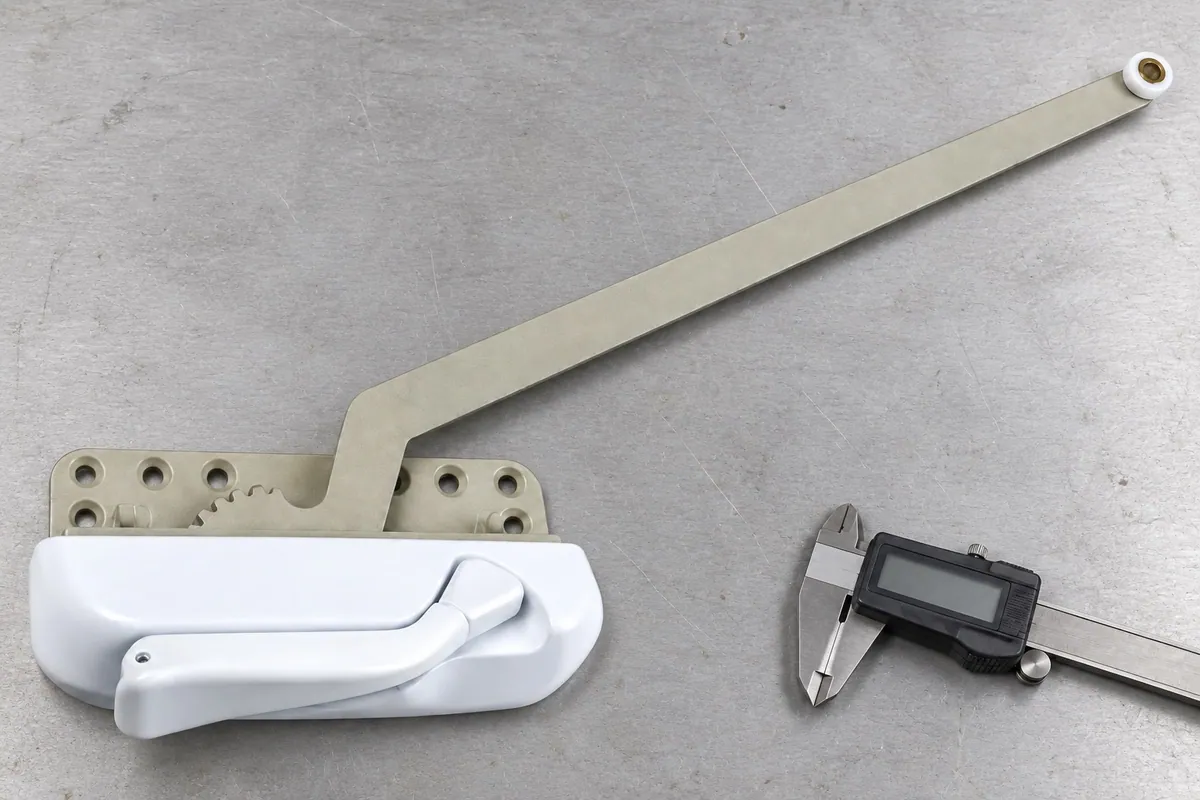
A polished component display and an operating window demonstrate different things. The first makes material and finish easy to compare; the second reveals opening geometry, access and the relationship between operating and locking actions. Bringing both into one exhibition creates room for a more meaningful technical discussion than judging every part as an isolated object. For window-opening mechanisms in particular, seeing the surrounding system helps explain the purpose of the linkage.
The low-energy theme brings the complete opening into focus
An ultra-low-energy feature area is part of the published visitor programme. Its significance for hardware lies in the connection between the building's performance aims and the everyday operation of its windows. A low-energy envelope still needs openings that can be operated, closed and maintained in a coherent way.
This is where an exhibition can make an otherwise abstract relationship visible. Glass, frame, seals and moving hardware occupy the same physical assembly, but exhibitors often explain them using different technical vocabularies. A full-size display can connect those descriptions. The valuable question is how the parts work together within a defined window system, rather than which isolated material attracts the most attention.
Material forums add another layer to the window story
The announced activities also include a polyurethane window technology forum and a UPVC-focused conference. Their presence broadens the discussion beyond the appearance of a finished frame. A material proposal becomes much more interesting when it is followed through into the profile and then the completed window.
For hardware specialists, that progression raises concrete interface questions: where components are supported, how they are attached, what space is available, and how the assembly is serviced. A frame material is not merely a colour choice behind a handle. Different constructions create different design contexts. Linking material discussions to working assemblies can help the exhibition move beyond a collection of unrelated samples.
Installation belongs beside product development
The visitor programme lists a window-installation skills competition, while BAU China's wider programme connects detailed component work with completed-building performance. Giving installation a visible place in a technical exhibition matters because many critical interfaces are established after the individual products have left their factories.
A showroom sample usually sits in a controlled display frame. A building opening adds tolerances, adjoining materials and a construction sequence. Bringing installation demonstrations into the same conversation makes those differences easier to discuss. It also gives practical workmanship a place beside product launches, instead of presenting the finished specification as though it automatically produces the same result in every setting.
What makes this edition worth following
The strongest thread across the announced programme is the movement from individual products towards complete assemblies and their delivery. The combination of hardware, profiles, low-energy applications, material development and installation creates several ways to examine the same window, each from a different stage of its life.
That is the editorial focus to carry into October: whether new ideas are explained through complete working systems and clear application details. A new finish may attract the eye, and a new material may attract a headline, but the most useful exhibition stories connect those developments to how buildings are actually made and used. FBC 2026's programme provides a setting for that discussion in Beijing.